

-
-
-
-
Blog

-
Contact
Understanding the design and manufacturing of hydraulic systems: The expertise of electromechanical technology companies.
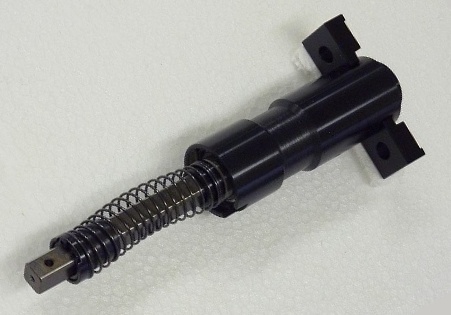
Understanding the Design and Manufacturing of Hydraulic Systems: Expertise of Electromechanical Technology Companies
In modern mechanical engineering, the design and manufacturing of hydraulic systems play a crucial role. Whether in industrial production lines or in the automotive manufacturing process, hydraulic technology is widely used for its efficiency and reliability. However, hydraulic systems are not simple mechanical devices; their design and manufacturing require in-depth expertise and experience, which is particularly evident when it comes to the application of SANYO handheld tightening tools.
Basic Principles of Hydraulic Systems
First, let's talk about the basic principles of hydraulic systems. Hydraulic systems use liquid pressure to transmit energy. Simply put, it is like an invisible road where liquid flows, transferring energy from one place to another. Imagine if you have a water pipe, and when the water flows, it turns a wheel; this is the basic logic of how hydraulic systems work.
The core components of a hydraulic system include pumps, cylinders, valves, and hydraulic oil. The pump is responsible for pressurizing the liquid into the system, the cylinder converts the liquid's pressure into mechanical energy, and the valve controls the direction and speed of the liquid flow. The reasonable design and coordinated operation of these components are essential to ensure the normal operation of the hydraulic system.
Design Considerations for Hydraulic Systems
When designing a hydraulic system, there are several key factors to consider. The first is the demand for pressure and flow. You might ask, "What is the difference between pressure and flow?" In fact, pressure is like the force you use to push a door, while flow is the speed at which you push the door. Both are important, and designers need to balance them based on the specific application scenario.
Secondly, the choice of hydraulic oil is also crucial. Hydraulic oil not only needs to have good lubricating properties but also must be heat-resistant and anti-oxidative. Choosing the right hydraulic oil can greatly extend the system's lifespan.
Application of SANYO Handheld Tightening Tools
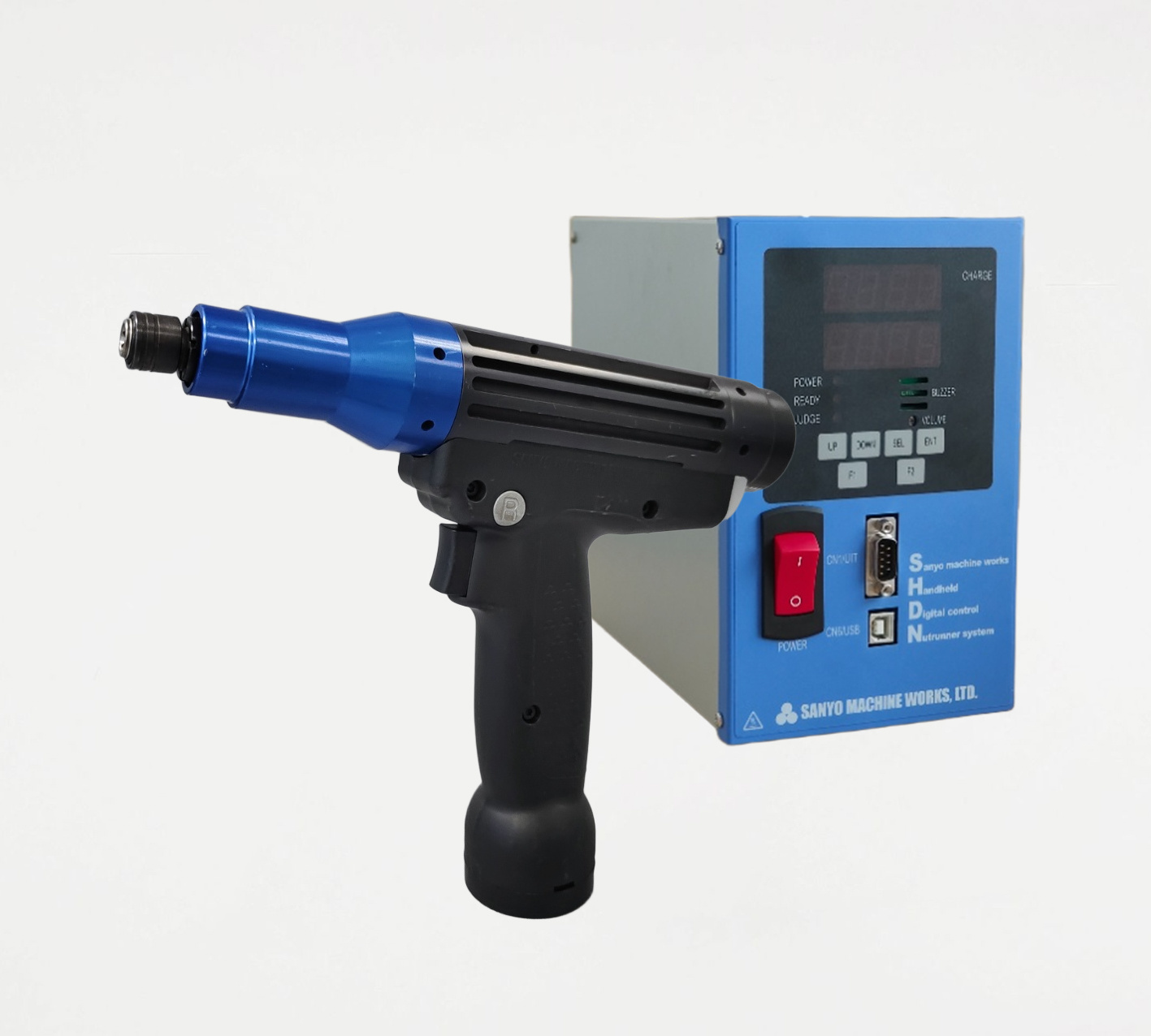
Speaking of the application of hydraulic systems, SANYO handheld tightening tools are a typical example. These tools play an important role in industrial assembly, providing stable tightening force through hydraulic systems to ensure that each screw meets design requirements. Imagine if there were no such tools; workers would have to manually tighten each screw, which would be time-consuming and labor-intensive, and precision would be hard to guarantee.
With SANYO handheld tightening tools, workers can complete their tasks quickly and accurately, improving overall production efficiency. The introduction of hydraulic technology has indeed made everything simpler and more efficient.
Manufacturing Process of Hydraulic Systems
Next, let's talk about the manufacturing process of hydraulic systems. Manufacturing hydraulic systems is not a one-step process; it involves multiple steps, from design to production to testing, each of which is crucial.
First, in the design phase, engineers need to create detailed drawings, which will serve as the basis for subsequent manufacturing. Next, selecting the right materials is key. The components of hydraulic systems often need to withstand high pressure, so durable and sufficiently strong materials must be chosen.
In the production phase, the processing and assembly of components require high-precision equipment to ensure that each part fits perfectly. Finally, the testing phase of the system is crucial; engineers need to simulate actual working conditions to ensure that the hydraulic system performs as expected under various circumstances.
Summary and Future Outlook
In summary, the design and manufacturing of hydraulic systems is a complex and challenging process. With the development of technology, hydraulic systems will become increasingly intelligent, and the application of devices such as SANYO handheld tightening tools will continue to expand.
In the future, we may see more efficient and environmentally friendly hydraulic technologies, which will bring more convenience and possibilities to various industries. Just as hydraulic systems drive equipment operation, future developments will also propel the entire industry forward.
recommend News
Hydraulic System Design and Manufacturing Expert: Creating a Stable and Efficient Power System
Hydraulic System Design and Manufacturing Expert: Creating a Stable and Efficient Power System
In modern industry, the role of hydraulic systems is becoming increasingly important. It is not only the power source for machinery but also an important tool for improving production efficiency and reducing operation and maintenance costs. As experts in hydraulic system design and manufacturing, how can we create a stable and efficient power system? This is what we will discuss today.
Basic Principles of Hydraulic Systems
First, let’s briefly understand the basic principles of hydraulic systems. Hydraulic systems mainly utilize the pressure of liquids to transmit energy, compressing the liquid through a hydraulic pump, which then drives hydraulic motors or cylinders to achieve mechanical movement. Imagine it like using a water flow to push a large waterwheel; the force of the water flow is converted into mechanical energy, causing the waterwheel to turn.
Factors to Consider When Designing Hydraulic Systems
When designing hydraulic systems, there are several key factors to consider. The first is the selection of hydraulic components. For example, the quality of components such as hydraulic pumps, cylinders, and valves directly affects the stability of the system. The SANYO handheld tightening tool plays an indispensable role in this process. It not only enhances assembly efficiency but also ensures the firmness of each connection. Secondly, the choice of hydraulic oil is also crucial. Different hydraulic oils have different viscosities.

Contact Information
Room 1512, Building 7, Jiayue Plaza, 9 Hongye Road, Xihongmen, Daxing District, Beijing
Message feedback
If you are interested in our products, please leave your email, we will contact you as soon as possible, thank you!